Eric Hall, The Collis Brothers, and the Littlethorpe Picture Shed.
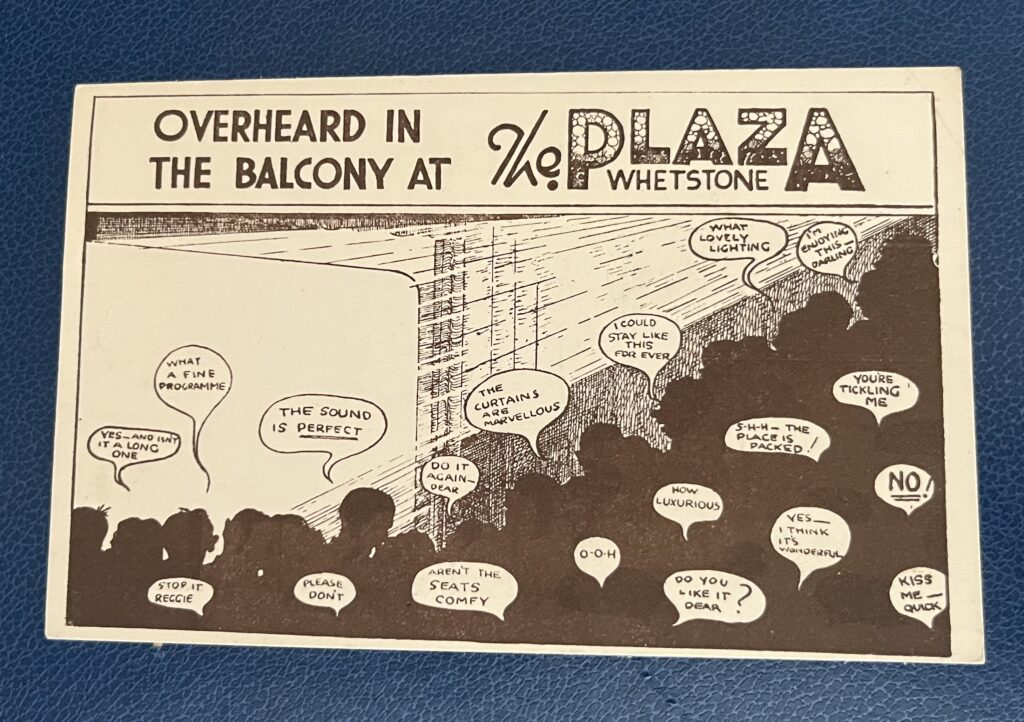
Largely as related to me in January 2026 by Nev Duncan, the oldest surviving Littlethorpe man with an amazing memory and story telling skills (sorry I can’t print it all Nev, or do the accents!)
Apart from the village pubs, there were village football and cricket teams (The Bingleys even had their own team), more of which to come. There were also the village produce shows often held at The Plough, wakes, jubilee celebrations and of course, coronations to celebrate.
Littlethorpe has always had its own kind of entertainment — nothing grand, but the sort of music and excitement that grew naturally out of village life. And for many years, one of the brightest sparks in that story was a man named Eric Hall, he had come to Littlethorpe in the late 1940’s to run one of the two village shops, the one that later became the VG stores.
Eric was a brilliant trumpeter, even as a boy. He learned young, playing in a brass band at Broughton Astley, and it quickly became clear that he had real talent. In those days, a good musician wasn’t just admired — he was remembered. People talked about Eric’s trumpet the way they talked about a good harvest or a fine horse. It was something special.
During the early years of the war, Littlethorpe had its own dance band, known as Jack Collis & His Elite Dance Band. Jack ran it with his two brothers, Mark and Ted, they were sons of the old village policeman — the village bobby — who had lived down Wide Lane, in the old cottages. Their father wasn’t there too long before retiring sometime in the 1920’s.
The band was highly thought of, and it became part of life in the surrounding villages, music, dancing, and the feeling that even in hard times, people could still gather and forget their worries for an evening.
Mark had enlisted at the outbreak of the second world war but tragedy struck early in the war. Mark a key figure in the band, was killed in an air crash. His death hit hard, and his memory lingered — “Marko” was always spoken about, and his photograph seemed to remain on the wall in spirit if not in frame.
The family ties ran deep across the village too. One of the Collis sisters became Mrs Taylor, living along the row of houses near the shop — her husband being Tommy Taylor, a name many older villagers would recognise.
The remaining brother, who lived in Cosby, kept the band going for a time. He was married and had twin children. Sadly, before long, another deeply upsetting event affected the village.
The bandleader became very close to an evacuee from London who was staying in Cosby at the time. The situation caused him great personal distress, and tragically, he later took his own life, being found with a gunshot wound in a field just outside Cosby.
The Collis Elite Dance Band, once such a lively part of village life, could not survive the losses. It simply fell apart.
But music, like village spirit, has a way of returning.
It was Eric Hall — trumpet man to the core — who decided the sound shouldn’t die. He brought musicians together and resurrected the idea of a local dance band. This new group became known as the “New Astorians” (as it was remembered), and once again Littlethorpe and the surrounding villages had its music.
Among those involved was Tony Brown from Narborough, a saxophone player, and also a pianist named Maurice Merry, who later went on to greater fame. Maurice became a music director for none other than Gene Pitney, a connection that would have sounded almost unbelievable in Littlethorpe at the time.
And of course, village life wasn’t only about music. Childhood in Littlethorpe had its own geography, its own unwritten rules. The Whetstone lads would swim in the river Soar at Pochin’s Hole, while Littlethorpe boys claimed their own swimming places — Little Holder, and down by Girder Bridge. These weren’t just swimming spots, they were part of the map of growing up.
Then there was Mr Marriott, a resident of Whetstone Lane (Warwick Road)
Mr Marriott was a handy man, always tinkering with cameras and gadgets. At some point he managed to buy a cinema projector, and with it he created something the village had never really seen before: his own little cinema.
He built a shed at the side of his house, and at first it was informal — “if you want to come down, I’ve got some films.” But word spread, as it always does in a village, and before long it became a regular Saturday night event.
For sixpence, you could queue up and go inside. And queue they did — so many that eventually there would be a line stretching down the road. By six o’clock it could be standing room only, with children packed in at the back. It became a weekly thrill.
There were cartoons like Popeye, Betty Boop, and all the favourites. There was laughter, excitement, and the magical feeling of seeing moving pictures in a village shed. Nev remembers taking his little sister Molly when she was only three or four.
And every week Mr Marriott would announce what was coming next: cowboys, adventures, heroes — the kind of things that made children go home full of swagger.
My mother knew exactly what I’d been watching without even asking.
“I know what you’ve been seeing,” she’d say, “because you either come home strapping your guns on like a cowboy… or you’re something else!”
It was Littlethorpe entertainment at its finest: music, film, laughter, and village characters, all stitched together into the ordinary magic of life during and after wartime.
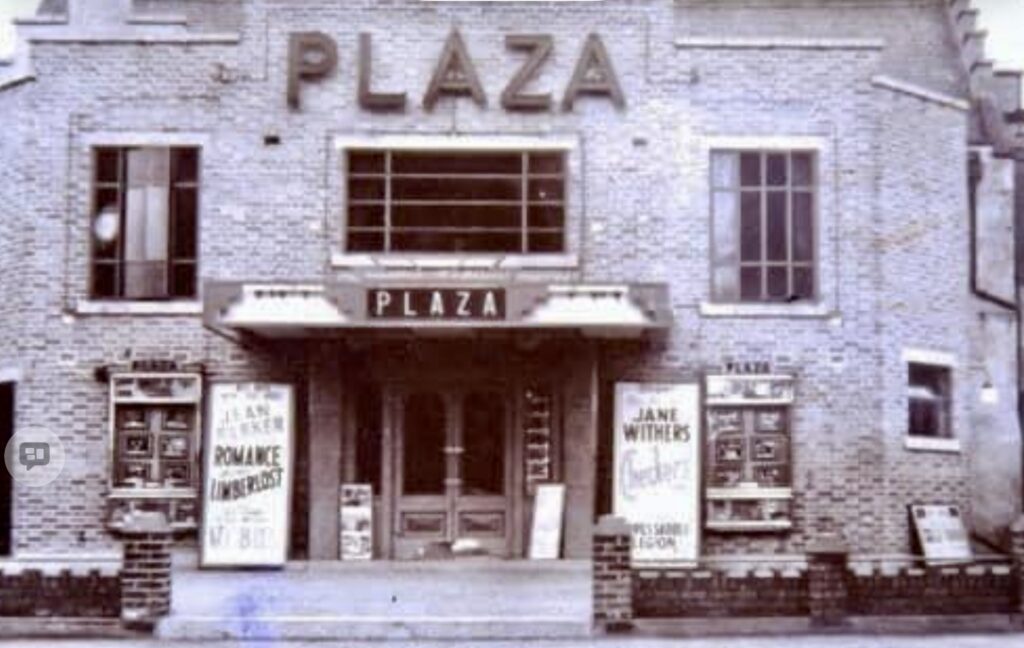
The Plaza Whetstone
There was a cinema at Whetstone called The Plaza used by many Littlethorpe people until its closure.
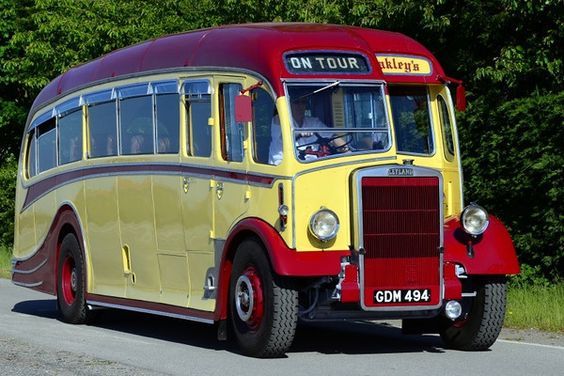
A typical 1950’s coach
Another gem from Nev Duncan
Throughout the summer, probably once a fortnight, Mrs.Young from Wide Lane would team up with Tommy Taylor – Cosby Road – to organise “mystery trips”. A coach was hired from Mellors coaches and was driven by Tommy Taylor. These would involve stopping at various locations and “pubs” of course. Leaving around 6pm arriving back around 10pm. Very popular,and cheap, could have been around 5 shillings per head.
Longest trip was a day trip to Cheddar Gorge Somerset.7.30 – 11pm return.
Rosemary Duncan
Sources: Nev Duncan
As with any local history research continues on this and more information will hopefully be added as it is found, so keep checking for the latest updates. In fact if you can add anything to the above please get in touch via the contact form